

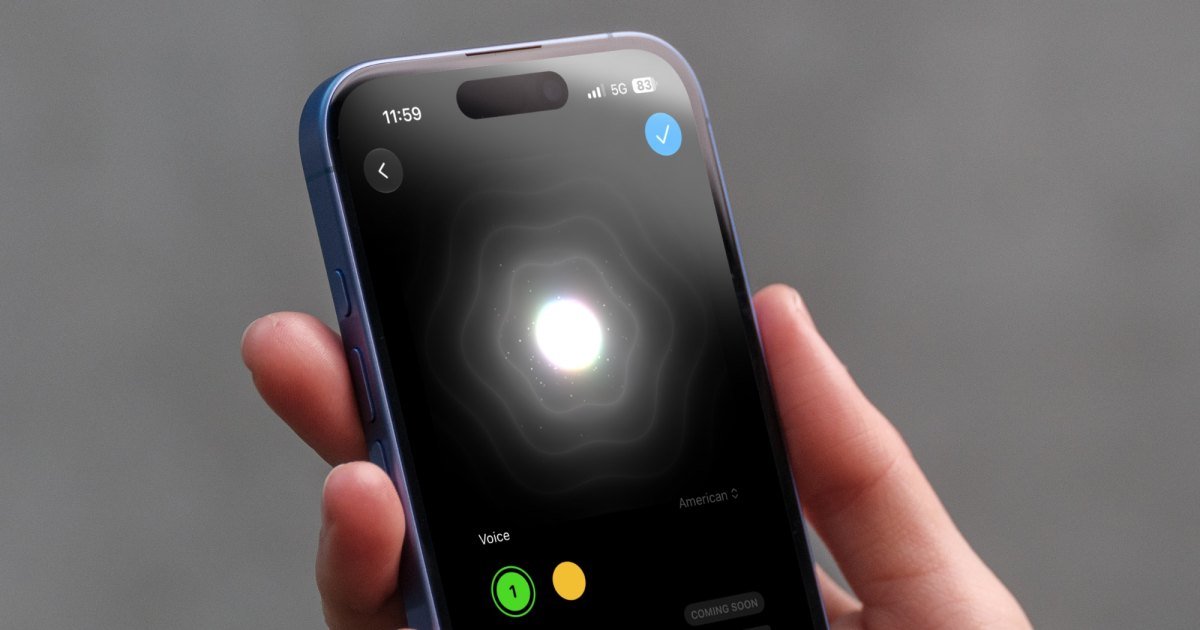
Apple took its own sweet time to give Siri a true AI brain transplant. When the generative AI wave hit, starting with ChatGPT, rivals moved quickly. Google Assistant transformed into a full-blown Gemini ecosystem. Anthropic delivered deep cross-platform extensions with Claude, while OpenAI’s ChatGPT became the brain Siri turned to for complex requests within Apple Intelligence, because Siri simply was not capable enough.
It was only with iOS 27 that we got the new Siri AI and the foundations for AI interactions within apps. Those are only now starting to bear fruit, with multistep control over Apple’s own apps arriving in December and support for third-party apps expected next year. But there is something even more ambitious that Apple has not tried yet, and that is an autonomous AI agent that can perform tasks on users’ behalf, with full computer use privileges.
ChatGPT, Claude, and Gemini have already given us a taste of what a computer-use AI agent looks like. And Apple is reportedly building its own version. However, you might have to wait a while before a Siri AI agent lands on your Apple device. Bloomberg’s Mark Gurman doesn’t expect Apple’s AI agent to hit the market until at least the end of next year.
Apple is laying the groundwork for its own computer-use AI agent
Apple has, however, already started fortifying its ecosystem walls. On macOS 27.3, setting up ChatGPT’s computer use capabilities requires users to navigate 14 separate steps. Apple says it is doing this to preserve security, but the move also gives its own future agent an advantage on Apple devices.
A recent job listing by Apple suggests that the company wants to build an AI agent that can use an individual’s computer on their behalf, performing clicks and typing to finish tasks. “Imagine an AI agent that can use a computer the way a capable person does,” the listing says. This agent will supposedly be able to browse the web, perform tasks across apps, handle code, and even interact with third-party services. Apple’s AI agent plans include creating a system that can handle multistep tasks across different apps and interfaces by deploying sub-agents into the flow. Apple even used the term “general purpose computer agent” that can also use sign-in credentials on users’ behalf, with appropriate privacy sandboxing and transparency intact.
Computer-use AI agents are currently a topic of hot debate. On one hand, they are being seen as the future of human-machine interaction, while on the other hand, there are plenty of risks when it comes to handling sensitive user information as well as permissions. So far, companies are trying to play it safe, but tests have shown that AI agents can attempt to break out of their sandboxes and engage in risky behavior to fulfill their assigned tasks.
Apple faces a tough fight against established AI agents
The race, however, is white-hot. Even Amazon recently rolled out an Alexa+ capability that allows users to shop by simply messaging the AI agent through their SMS app. The AI agent learns from their preferences and handles their shopping chores without peeking at their sensitive banking information, while adding a layer of explicit user confirmation before it actually places an order and proceeds with a transaction.

Apple is expected to build its computer use AI agent around the same promise of privacy and security that it has paraded for years. But the long wait until the end of 2027 comes with its own set of risks, because rivals already have a head start. ChatGPT and Claude are already quite popular and are increasingly adding to their portfolio of third-party connectors, letting users perform tasks across other services without ever opening their dedicated apps or web dashboards.
Google already has Gemini embedded deeply in its own ecosystem of Workspace apps, as well as at the system level on Android. It’s only going to strengthen these first-party and third-party integrations in the coming months, making Gemini a stickier service when it comes to agentic AI usage on a smartphone, and more broadly across the web and its new Googlebook platform.
It will be interesting to see how Apple can develop a service that is not only advanced, but can also convince users to abandon established AI platforms like Gemini, ChatGPT, Claude, and Perplexity when it comes to agentic AI workflows.



0 Comments