


Rental property is how I broke free. The rent from my San Francisco properties was one of the foundations that let me leave banking in 2012 at age 34. Without it, I’d probably still be waking up at 5 am to get to the office by 5:45 am and leaving after 6 pm.
I’ve been a landlord since 2005. I’ve had good tenants, great tenants, and tenants who refused to take their trash with them during the final walkthrough.
I’m forever grateful for owning rental property. But the older I get, the less I enjoy being a landlord.
It’s not the math. It’s the tenant headaches, the turnover, and the maintenance. The 9 pm leaky faucet text. The final walkthrough that starts 30 minutes late. At 49 with two young kids, my time is worth more and my patience is worth less.
2025 tested me with three tenant turnovers. Each one meant a deposit to return, walls to paint, a vacancy to absorb, and a new tenant to find. Not long after, I sold one of my rentals. Earning 100% passive income feels better.
But selling also feels like giving up. Owning rental property is a war of attrition. The longer you hold, the more wealth you usually build. I had hoped to hold on until my kids were adults, and I didn’t.
Selling isn’t free either. Commissions, transfer taxes, capital gains, and depreciation recapture take a big bite. Then you lose the rent check and future appreciation on a property you’ll likely never buy back at the same price.
Semi-passive income you can live with beats optimized income you can’t wait to dump. You can’t automate away a difficult tenant or a burst pipe. But you can automate a lot of what surrounds them. That’s where Baselane comes in.
My Rental Property Management Setup Today
For 21 years, I’ve tracked my rental finances with a spreadsheet and emails. Old school. With three rentals left in San Francisco, it kind of works. I know my numbers, more or less.
But add another property, an LLC, a partner, or a short-term rental, and a DIY system starts to creak. Debits and credits slip through the cracks.
Four rentals is why I sold one last year. I couldn’t comfortably handle all the maintenance and management myself. And I didn’t want to pay a property manager 10% of rent or more to do a worse job than me.
Since Baselane is sponsoring this post, I opened a free account for one of my SF rentals to see how it compares. Here’s what stood out.
What Is Baselane?
Baselane is a free business bank account, bookkeeping software, and rent collection app rolled into one login, built for landlords. Think business checking plus QuickBooks plus Venmo for rent, except it knows what a Schedule E is.
- Banking: one account per property or LLC, no monthly fees, no minimums
- Bookkeeping: transactions auto-tagged by property and tax category
- Rent: automated reminders, autopay, and late fees
- Reports and taxes: property-level cash flow and a one-click tax package
- Cost: free Core plan, $20 a month for the Smart plan
Banking and books live in the same system, so you never reconcile. Baselane is a fintech, not a bank. Deposits are held at Thread Bank, Member FDIC.
Separate Accounts For Every Property
One of the first rules of landlording is to keep rental money separate from personal money. One of the second rules is that it gets messy fast once you own more than one property.
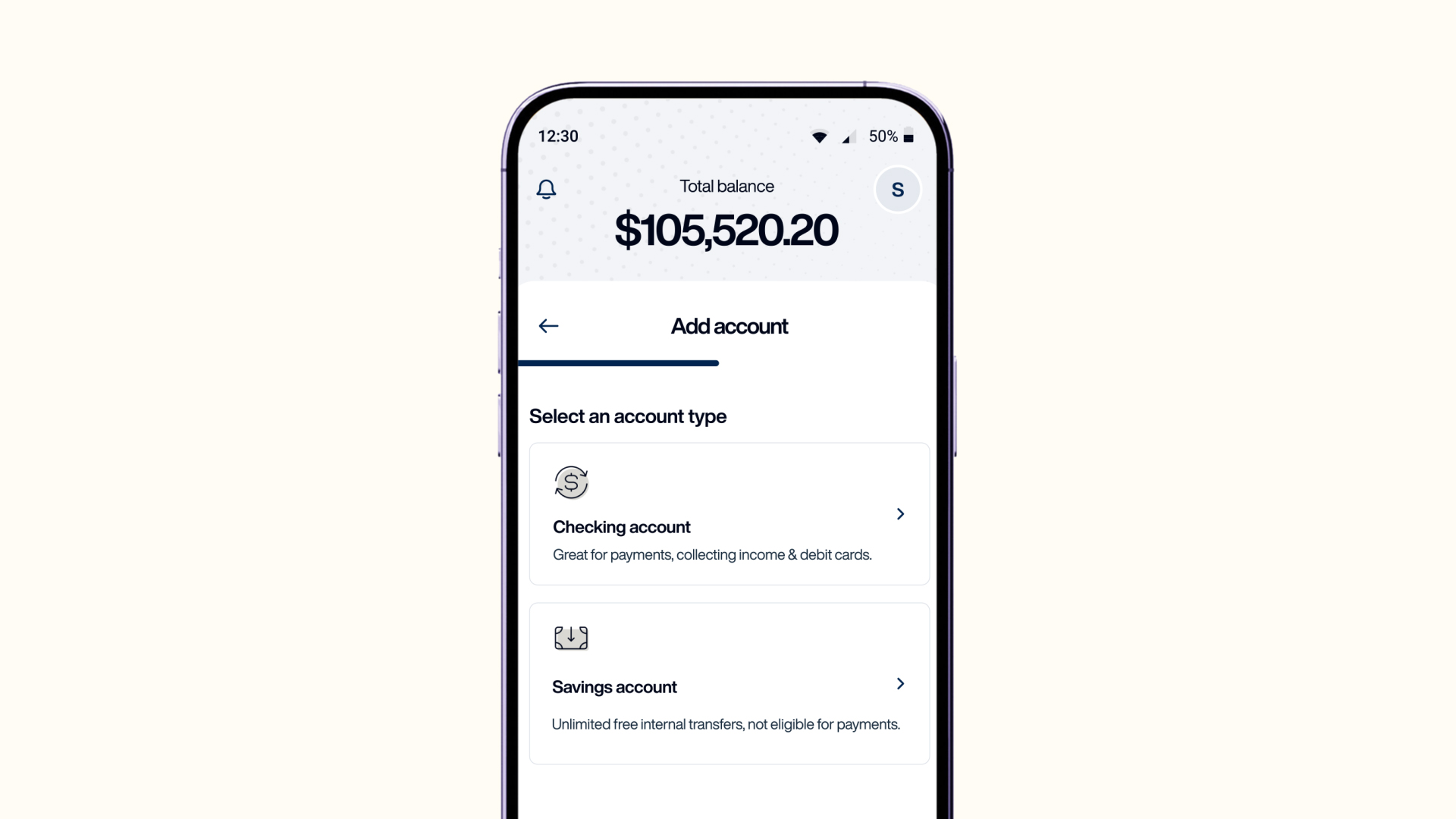
With Baselane, you can open unlimited checking and savings accounts under one login. One per property, one per LLC, one for reserves, however you actually run your portfolio. There are no monthly maintenance fees and no minimum balances, which matters once you’re running a handful of accounts.

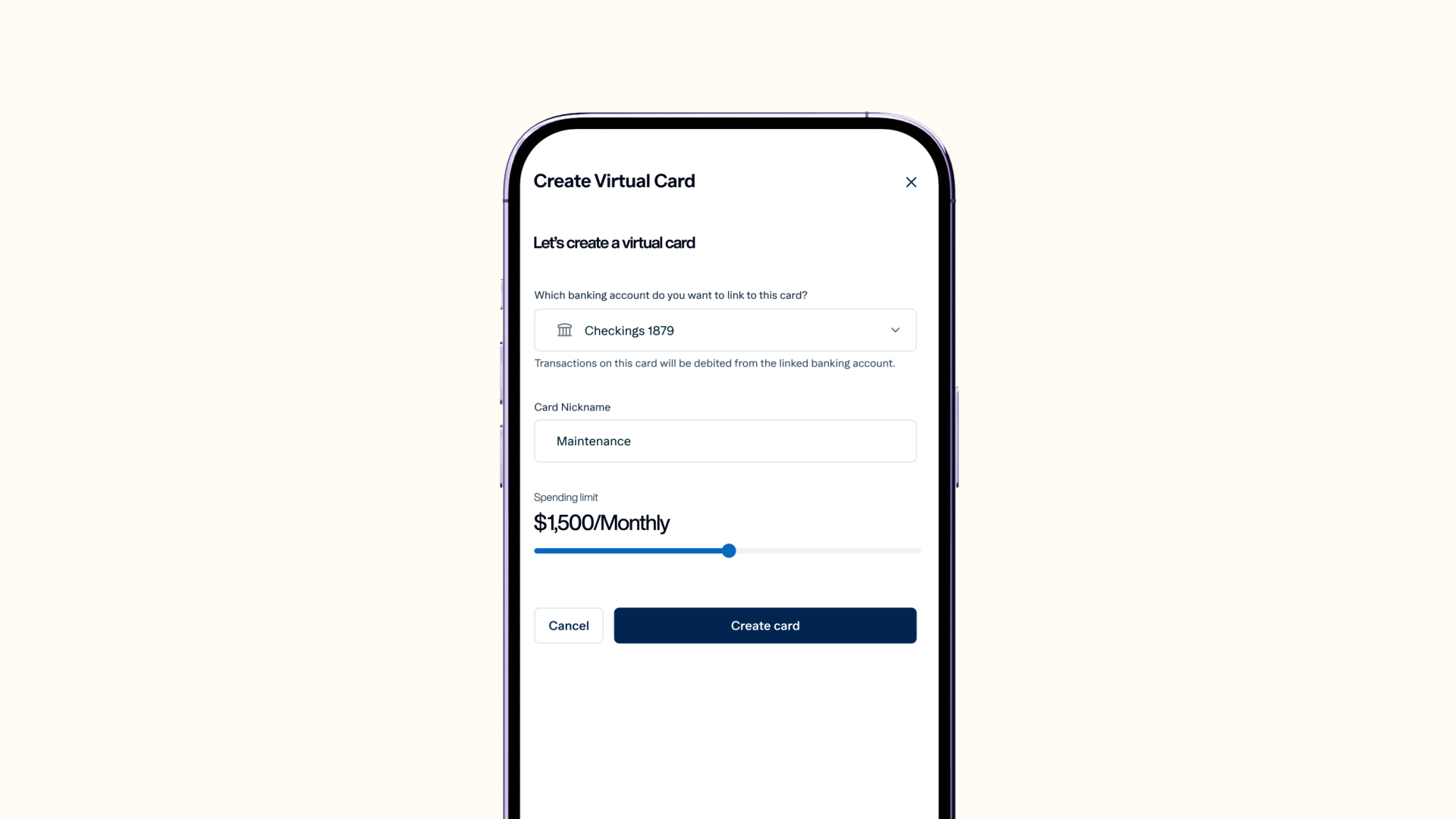
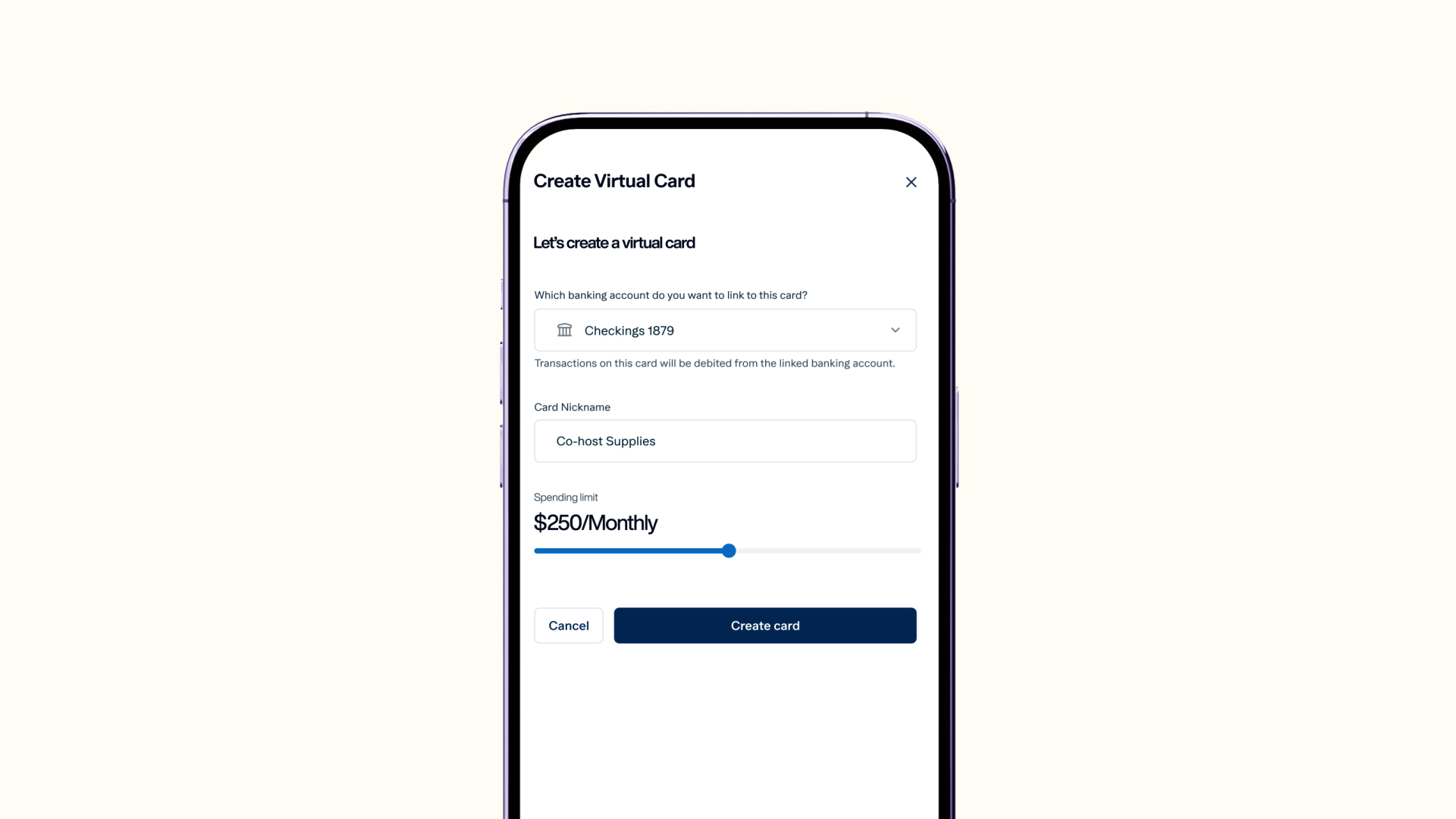
You can also issue physical and virtual debit cards with spending limits. If you pay contractors, cleaners, or a handyman, you can hand someone a card capped at, say, $1,500 for materials instead of fronting cash and chasing receipts.
The reserve accounts earn interest. Currently 2.88%. Letting a five-figure repair reserve sit in a checking account earning nothing is a donation to your bank.
If you try it, start with one property. Move its rent and its bills over, get comfortable, then decide about the rest.
Bookkeeping that Happens While You Bank
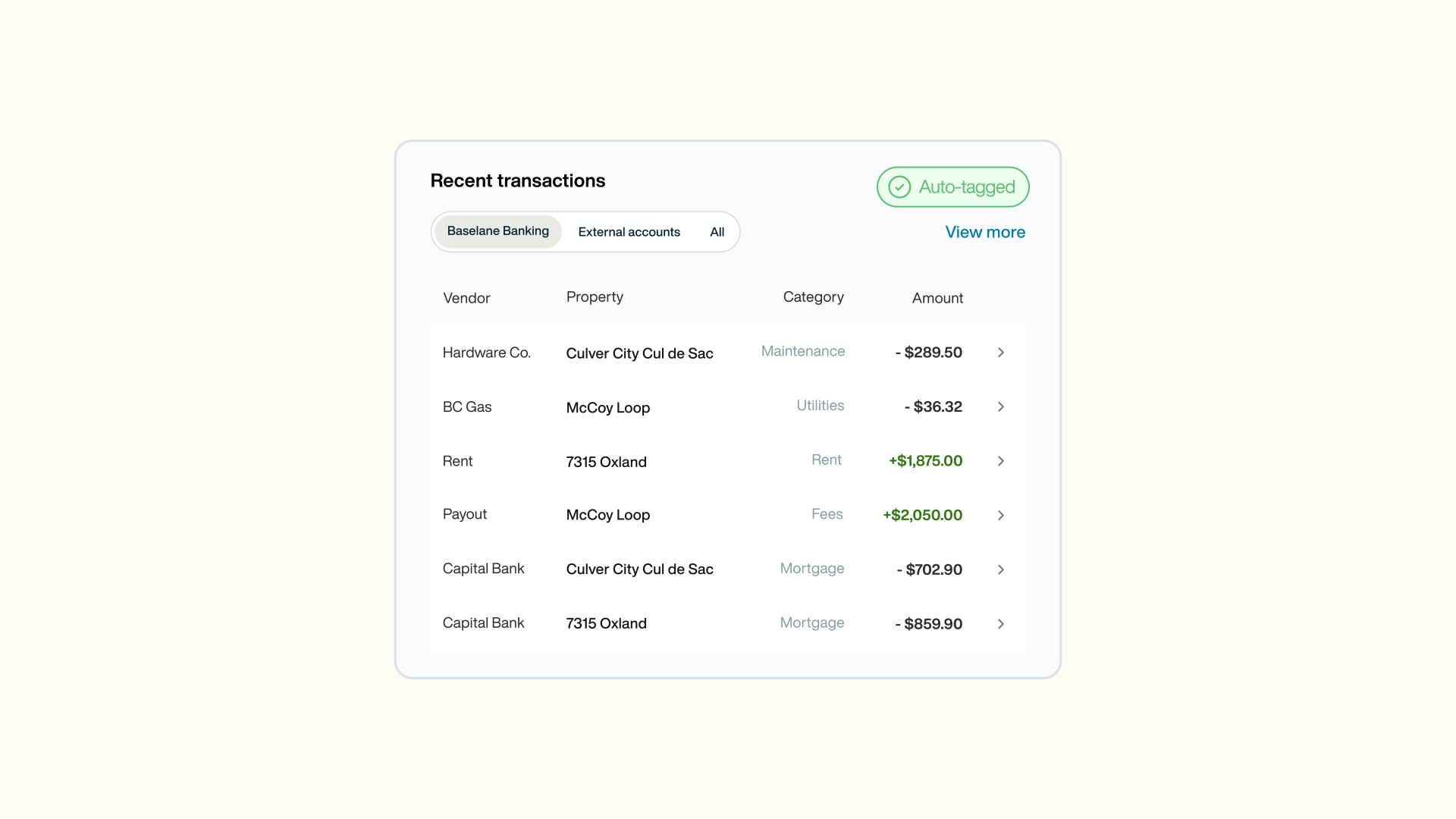
Plenty of banks let you open separate accounts. What’s different here is that every transaction gets tagged to a property and a Schedule E category as it happens.
Here’s why that matters. Before my old Marina tenants moved in, I spent about $2,500 and many hours fixing up the yard. They agreed to hire a gardener twice a month. They never did. Before they moved out, I paid my landscaper $1,400 including materials to restore it, plus two days of my own labor.
Those are deductible repair and maintenance expenses. But only if you record them against the right property and can find the receipts a year later. With one property, I can do that myself. With five, it becomes a part-time job.
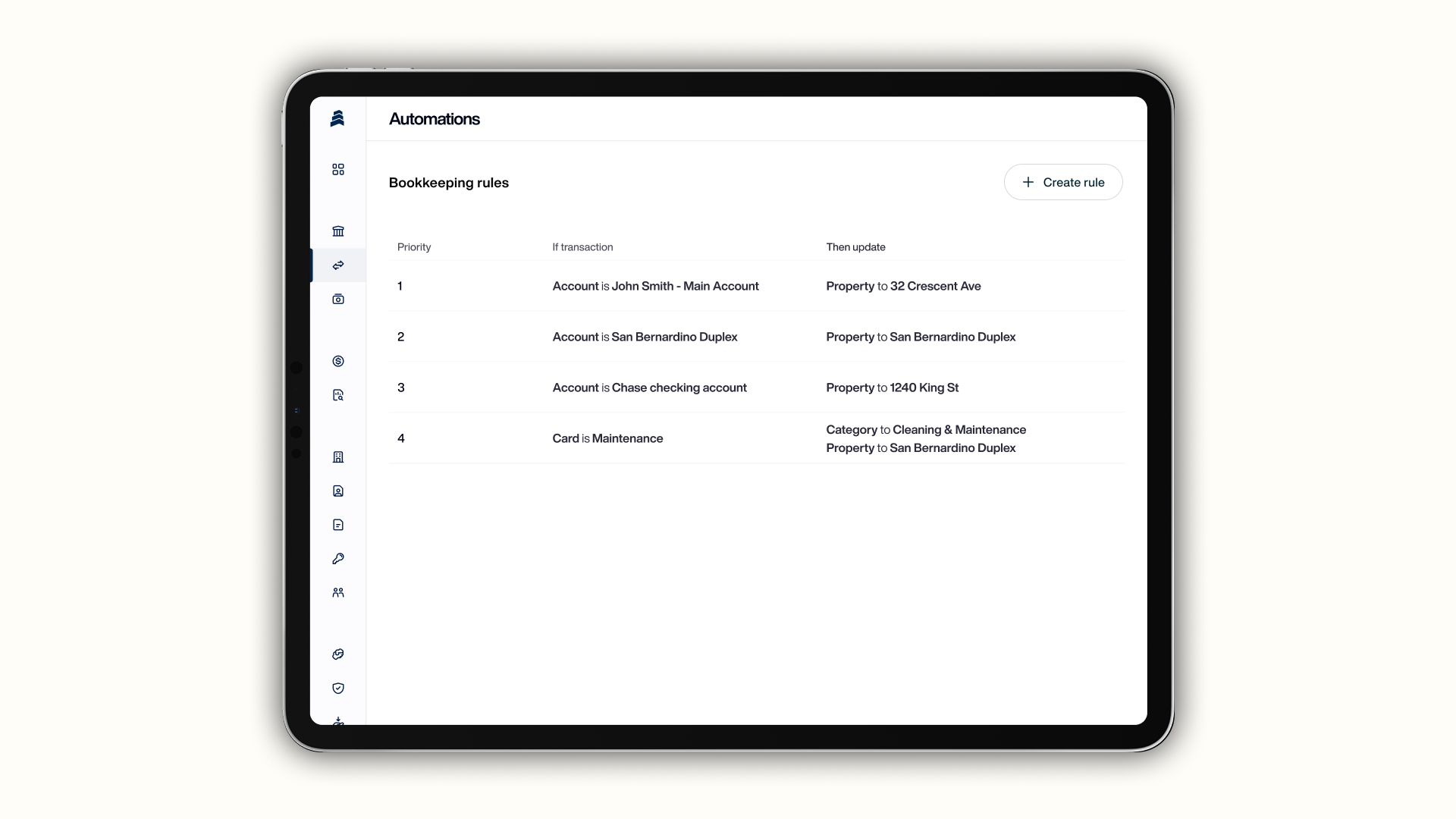
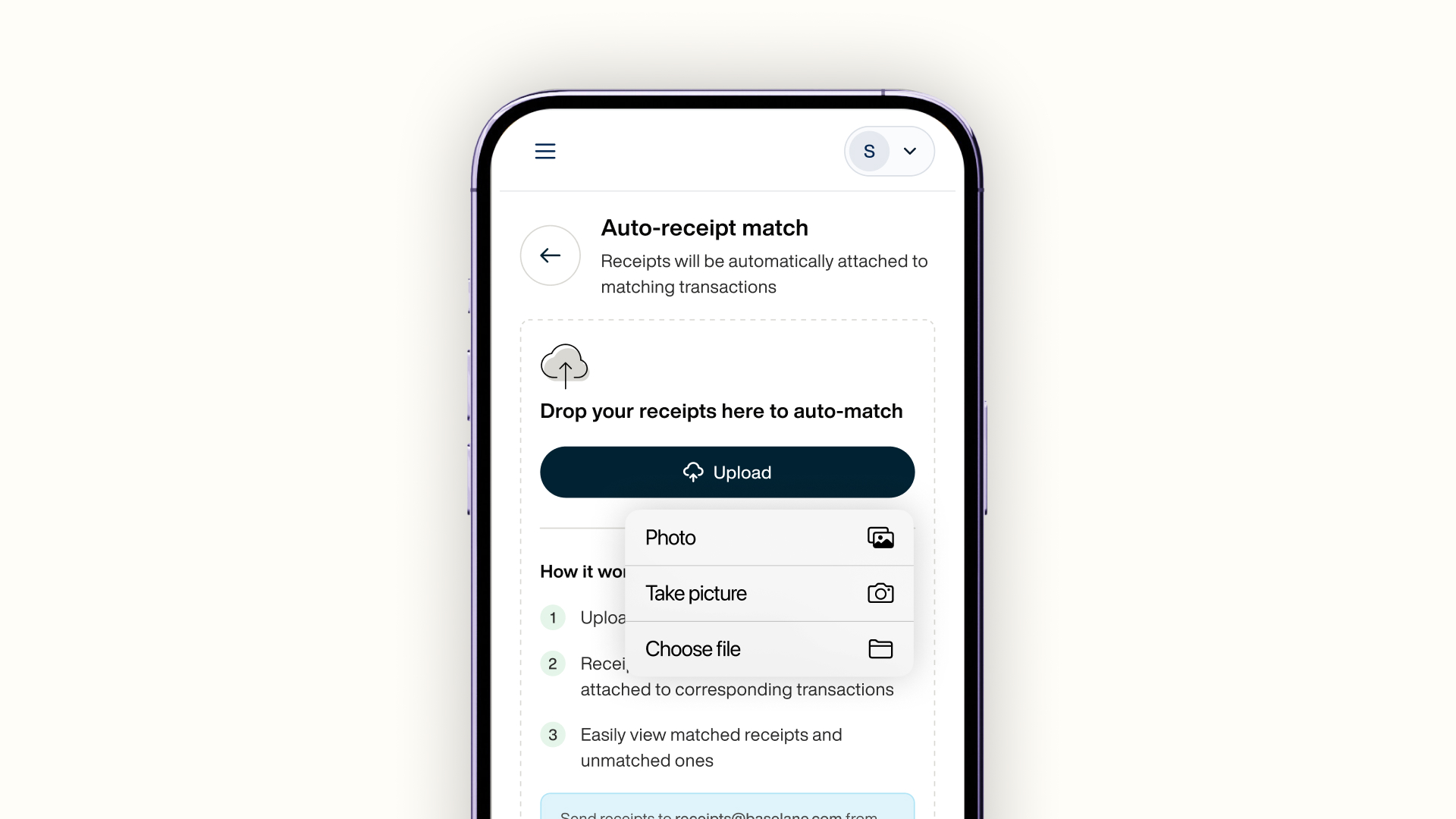
On the Smart plan, you set rules once, like “payments to my landscaper go to the SF rental under Repairs,” and an AI assistant handles the rest. You can snap a photo of a receipt and it matches it to the transaction.
Collecting Rent Without Being The Bad Guy
This is the part that speaks to my real pain point: tenant headaches. It is also my favorite reason for using Baselane.
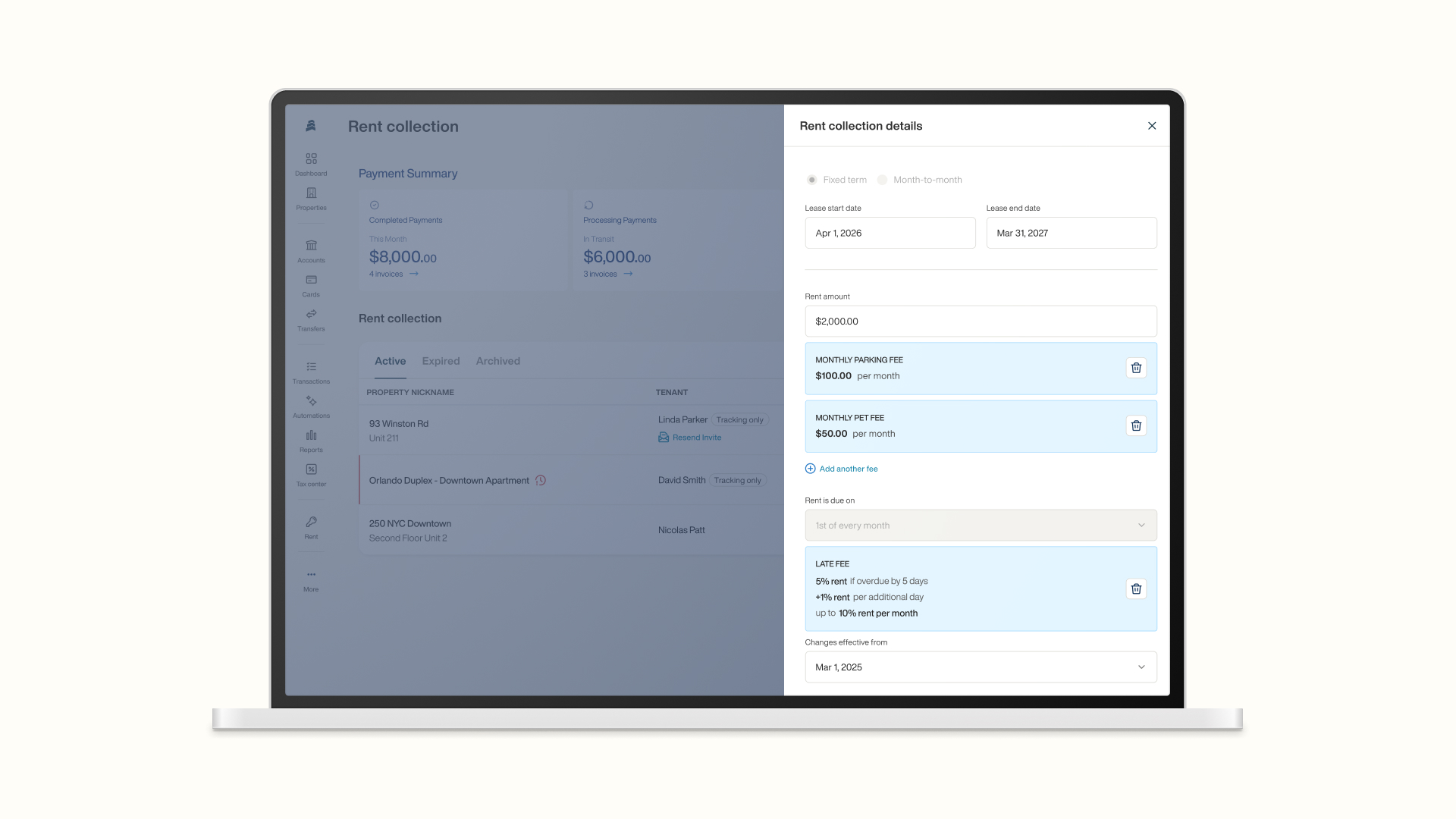
I rented my Marina house to five tenants from 2015 to 2017 for about $8,200 a month. The lease charged a $250 late fee after the 4th. Rent was late eight times in 24 months. I waived the fee every single time.
That’s $2,000 I left on the table because I’m a softie who dislikes confrontation. Their method of paying was walking into my bank branch and depositing directly into my account. One July 4th weekend, rent showed up on the 10th. That’s difficult to deal with when my mortgage is due by the 5th of each month, resulting in cash flow issues.
That awkwardness wore me down. In 2017, I sold the Marina house for about $2.75 million to simplify my life.
Thanks to the AI boom pushing San Francisco prices higher, that house is likely worth $800,000 to $1 million more today. Sure, I reinvested the proceeds, so the true opportunity cost is lower. But it still stings.
If I’d had a system to collect rent, send reminders, and enforce late fees without me playing bad cop, I would have held on. Selling out of fatigue can be one of the most expensive decisions a landlord makes.
That’s what Baselane does. Invoices, reminders, and late fees go out on schedule. Tenants can pay by ACH or card and set up autopay. Software doesn’t feel guilty enforcing a lease you both signed. Ultimately, Baselane removes friction which increases a rental property owner’s ability to hold on and build more wealth.
After 21 years, I’ve also learned that 99% of tenants want as little contact with their landlord as possible. The feeling is mutual. A system that runs rent in the background means fewer awkward conversations, and fewer awkward conversations means a happier landlord who’s less tempted to sell.
Two catches. Tenants who pay by card pay a 3.49% fee, so steer them to ACH. And if your current rent collection works fine, then great. Baselane’s value is rent, banking, and books living in one place.
For Airbnb and Short-term Rental Owners
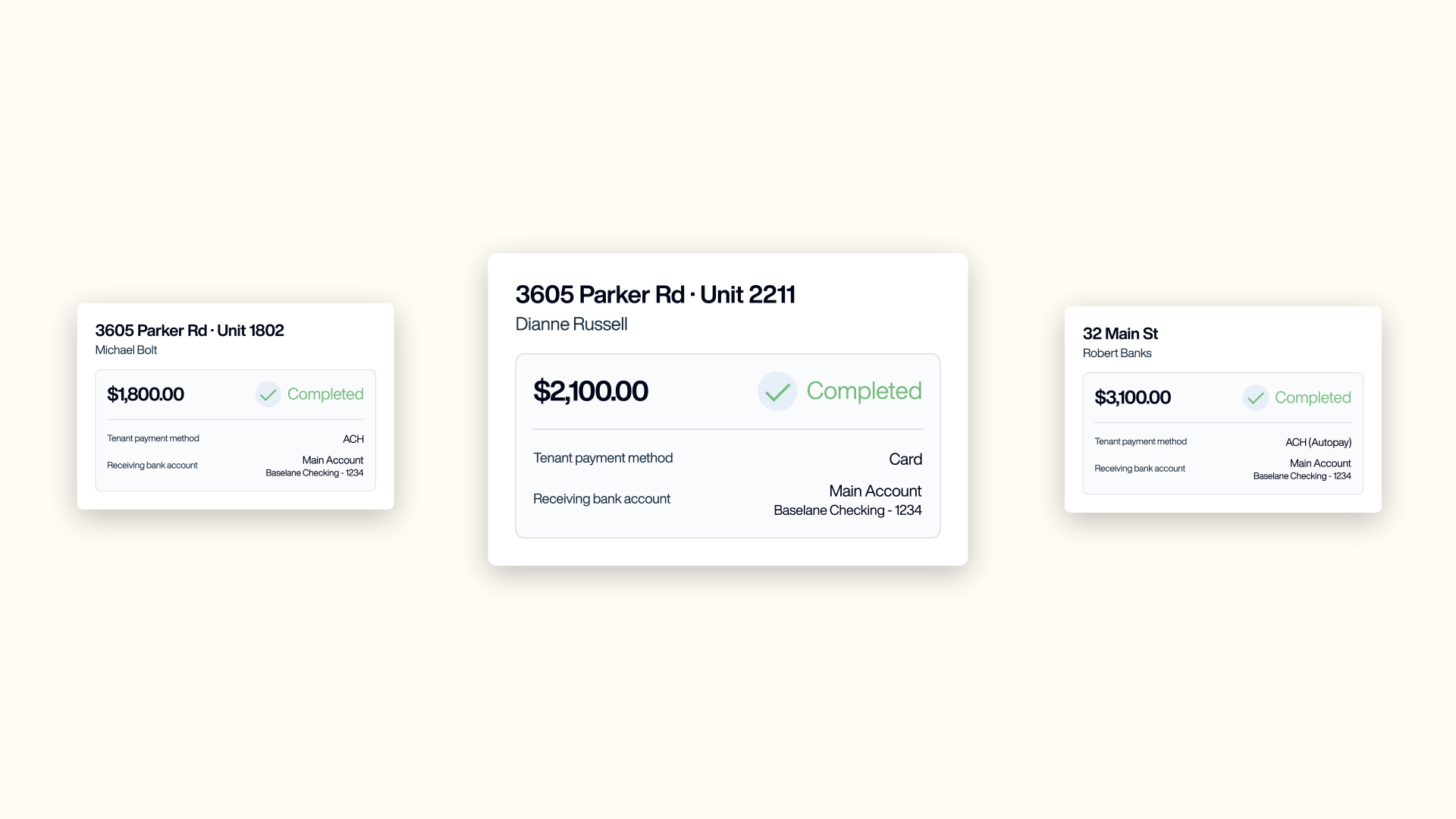
If you run short-term rentals, payouts from Airbnb, Vrbo, or Booking.com can take several business days to clear at a normal bank. Across multiple listings, that’s a constant gap between money earned and money available.
Baselane offers faster payouts when you use it as your deposit account on booking platforms, with each listing feeding its own account. Next-day payouts are available for free users.

Understanding Which Property is Actually Making Money
A healthy bank balance doesn’t mean a property is performing. You might have a big repair coming, insurance up 20%, or expenses sitting in the wrong account.
I recently ran the numbers on my San Francisco rental for a post on whether to raise the rent when tenants strike it rich. Rent is $10,250 a month, roughly $1,250 below market, because I honor a three-year rent schedule capped at about 3% a year. One vacant month wipes out about eight months of that discount. And a 2.5% annual increase only covers about 80% of my rising insurance and basic maintenance costs.
I know those numbers because I track them myself. Most landlords never sit down and run them.
Baselane builds income, expense, cash flow, and net operating income reports for each property or your whole portfolio, because every transaction is already tagged. No building spreadsheets from scratch.
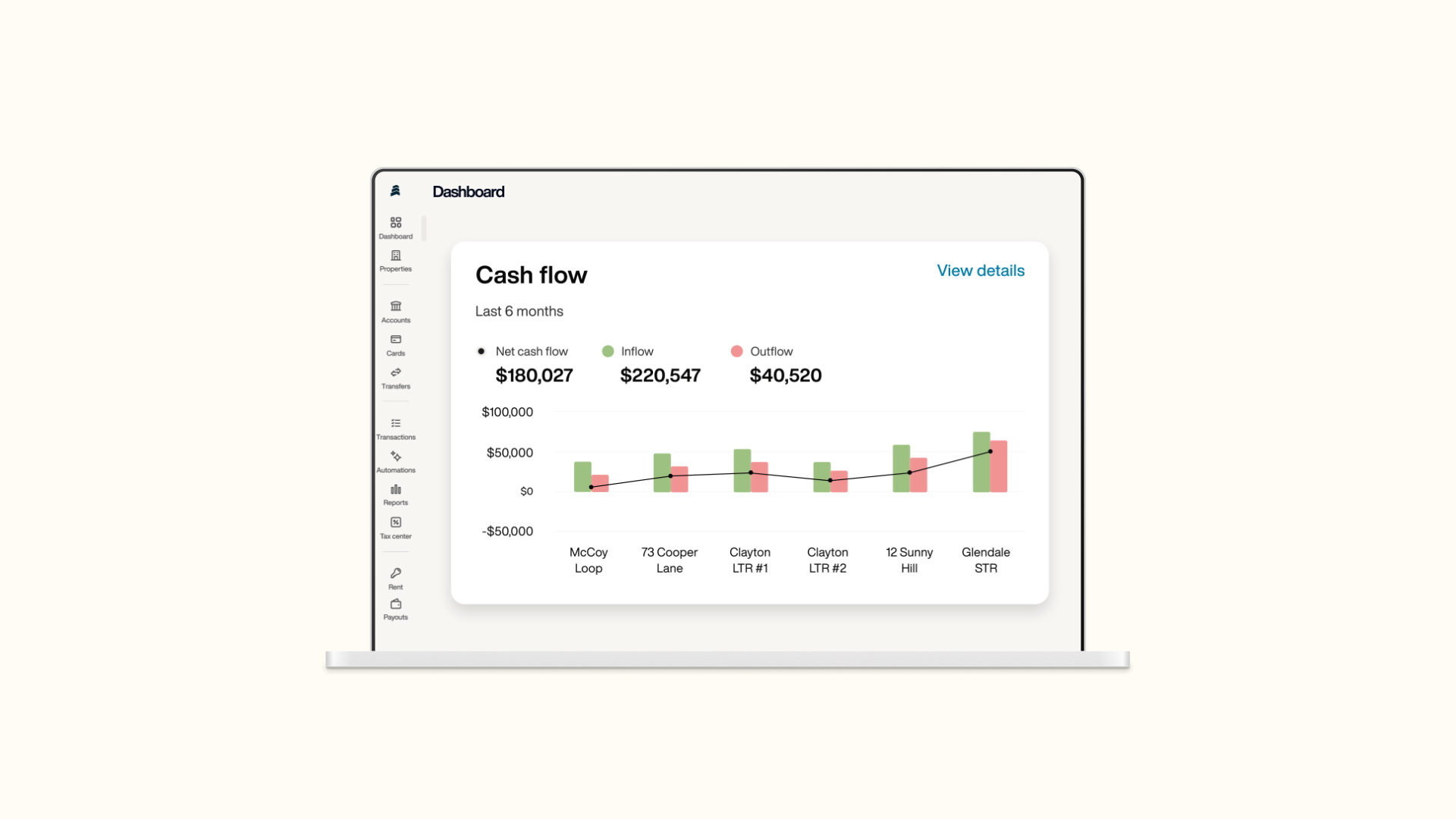
With one rental and a spreadsheet you trust, you may not need this. With several properties or LLCs, it’s the difference between knowing and guessing whether a property is worth keeping.
Tax season Without the Scramble
Tax season is where sloppy books come back to bite. You end up gathering records, digging up receipts, and trying to remember what a charge from eight months ago was for.
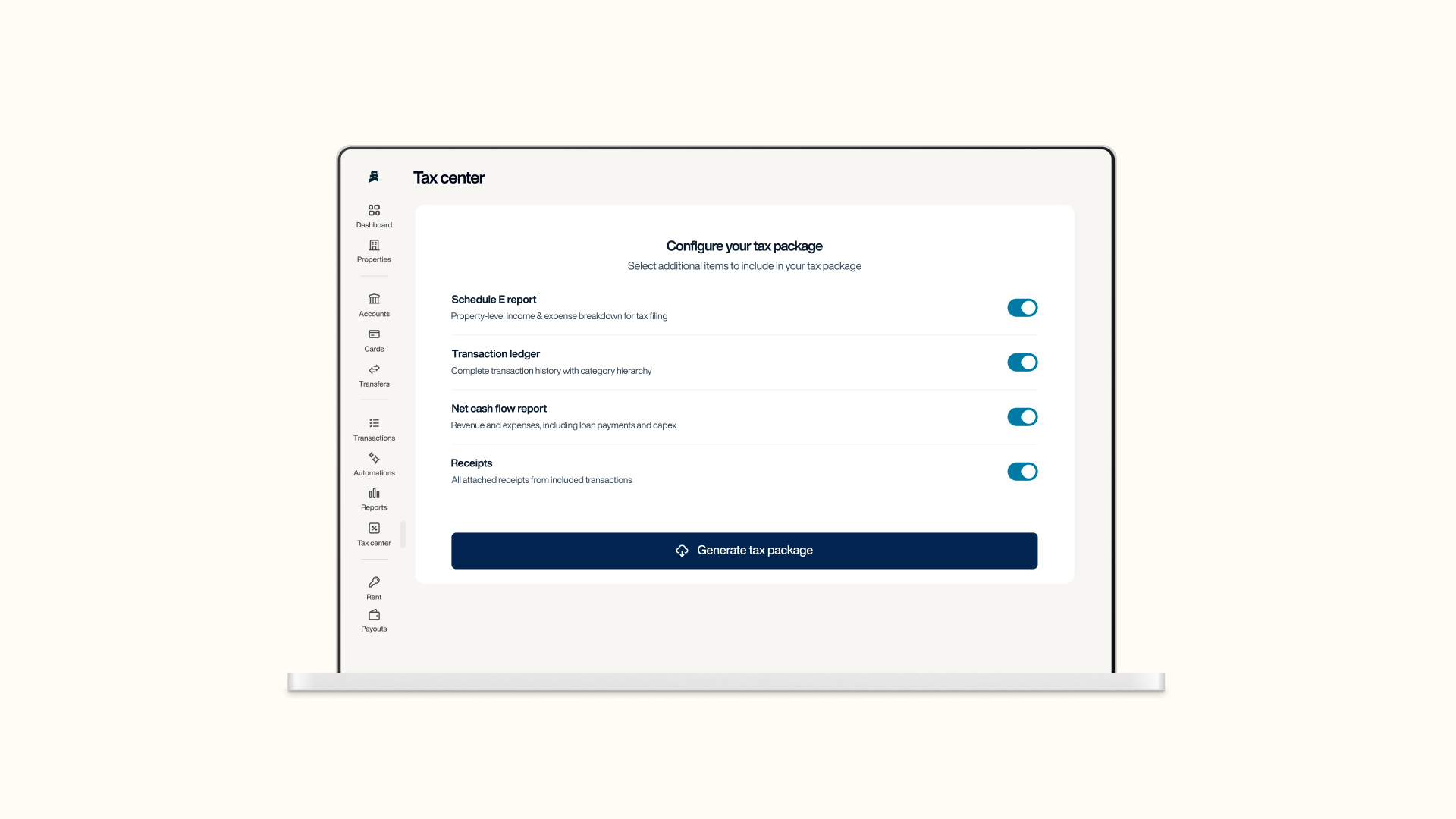
Because Baselane categorizes everything during the year, you can download a tax package with Schedule E reports, income statements, and transaction ledgers with receipts for each property and entity. Then you hand it to your CPA or use it to file yourself.
Who is Baselane For?
If you have one rental and a DIY system that works, you don’t need it. But the Core plan is free, so there’s little downside to trying it.
Baselane makes the most sense if you own several rentals, hold properties in LLCs, or self-manage. Property managers have quoted me fees ranging from 10% to 20% of rent. On a $10,250 rental, a 10% fee is $1,250 a month. Baselane Smart, its premium version is just $20.
That’s not apples to apples. Baselane won’t fix your garbage disposal or talk to your tenants. But if you self-manage, the administrative half of the job gets a lot lighter.
It’s also worth a look if you’re on the fence about selling a rental because you’re worn out. Lighten the load before you list it and pay all those exorbitant fees. And if you’re buying your next property, set up clean systems first. They’re easier to build with one property than to retrofit with five.
How much does Baselane cost?
There are two plans.
Core is free and includes unlimited accounts, debit cards with spend controls, rent collection with automated reminders and late fees, property-level tracking, and the accountant tax package.
Smart is $20 a month with a 30-day free trial and adds AI auto-tagging, receipt matching, auto-transfers to maintain target balances, faster rent deposits, and balance sheet reports.
Compare that to what you may already pay. Some business bank accounts charge $5 to $25 a month in maintenance fees. At $15 a month across five accounts, that’s $900 a year just to keep them open. Baselane charges no maintenance fees, no minimums, and ACH transfers and incoming wires are free.
The catches
No product is perfect, and pretending otherwise insults your intelligence.
- Switching takes effort. Moving autopays and tenant payments will take time.
- It’s a fintech. Your money is at a partner bank. Understand the FDIC pass-through structure before parking large sums.
- Tenant card fees. 3.49% for card payments may annoy tenants.
- It’s not a property manager. It handles money, rent, and records. You still handle the people and the plumbing.
My Verdict
Rental property helped me break free due to the semi-passive income it generates. But a rental only builds wealth if you can stand to keep owning it.
The headaches that make me want to sell are tenants, turnover, and maintenance. Baselane doesn’t make those entirely disappear. What it does is take the money side of landlording, rent collection, late fees, accounts, and records, and put it on autopilot. Less friction overall means more energy for the parts that actually need a human.
My plan going forward is simple. Own fewer, better rentals and make each one as close to passive as possible. Let the private real estate side of my portfolio be 100% passive. And spend the time I save being a full-time dad.
If I’d had automated rent and late fees with my Marina tenants, I’d have $2,000 more and far fewer awkward conversations. I also might still own the house today. That’s at least an $800,000 lesson in letting small annoyances drive big decisions.
Selling a rental is permanent. Making one easier to own isn’t.
If you own rental property and want it to feel a little more passive, check out Baselane here. The Core plan is free, so the only cost of trying it is an afternoon.
Reader questions
Have you ever sold a rental property because you were tired of managing it, not because the numbers stopped working? Do you regret it? What’s the one landlord headache that would push you to sell: tenants, turnover, maintenance, or the paperwork? Do you track your rental finances yourself or hand them off? And have you ever waived a late fee you were fully entitled to collect?
FAQs
What should real estate investors look for when choosing a bank? Look for property-specific accounts, integrated rent collection, automated bookkeeping, and tax prep support. Multi-property investors benefit most from platforms that organize transactions by property and entity automatically. Security deposit tracking also helps keep tenant funds clearly separated.
Can real estate investors open a business bank account online? Yes. Digital platforms like Baselane let you open accounts entirely online with no branch visit. Traditional banks may require in-person verification depending on their policies and your business structure.
Do any banking platforms for real estate investors offer high-yield savings? Digital-first platforms generally pay more on savings than traditional banks. Baselane pays a tiered APY on savings balances that exceeds the national average for business accounts. Traditional banks typically pay far less on business savings.
How do integrated banking and bookkeeping platforms help with taxes? Platforms like Baselane categorize transactions by property and IRS Schedule E category throughout the year. That cuts manual work at tax time and produces Schedule E reports and transaction ledgers you can hand to your accountant or use to file yourself.
Does Baselane support multiple properties? Yes. Baselane supports bookkeeping across multiple rental properties for U.S.-based entities, including single-member and multi-member LLCs, corporations, partnerships, and sole proprietorships. Banking and rent collection sync directly with bookkeeping, and you can connect external bank accounts and import historical transactions. See the pricing page for the full feature list.
What reports can real estate investors generate? Portfolio-level and property-level reports including net operating income, net cash flow, rent roll, tenant ledger, total inflows and outflows, transaction ledger with receipts, balance sheet, Schedule E, and income statement. Reports export for your accountant, lender, or tax filing.



0 Comments